Speakers + Sessions
Meet Our Speakers
-
![]()
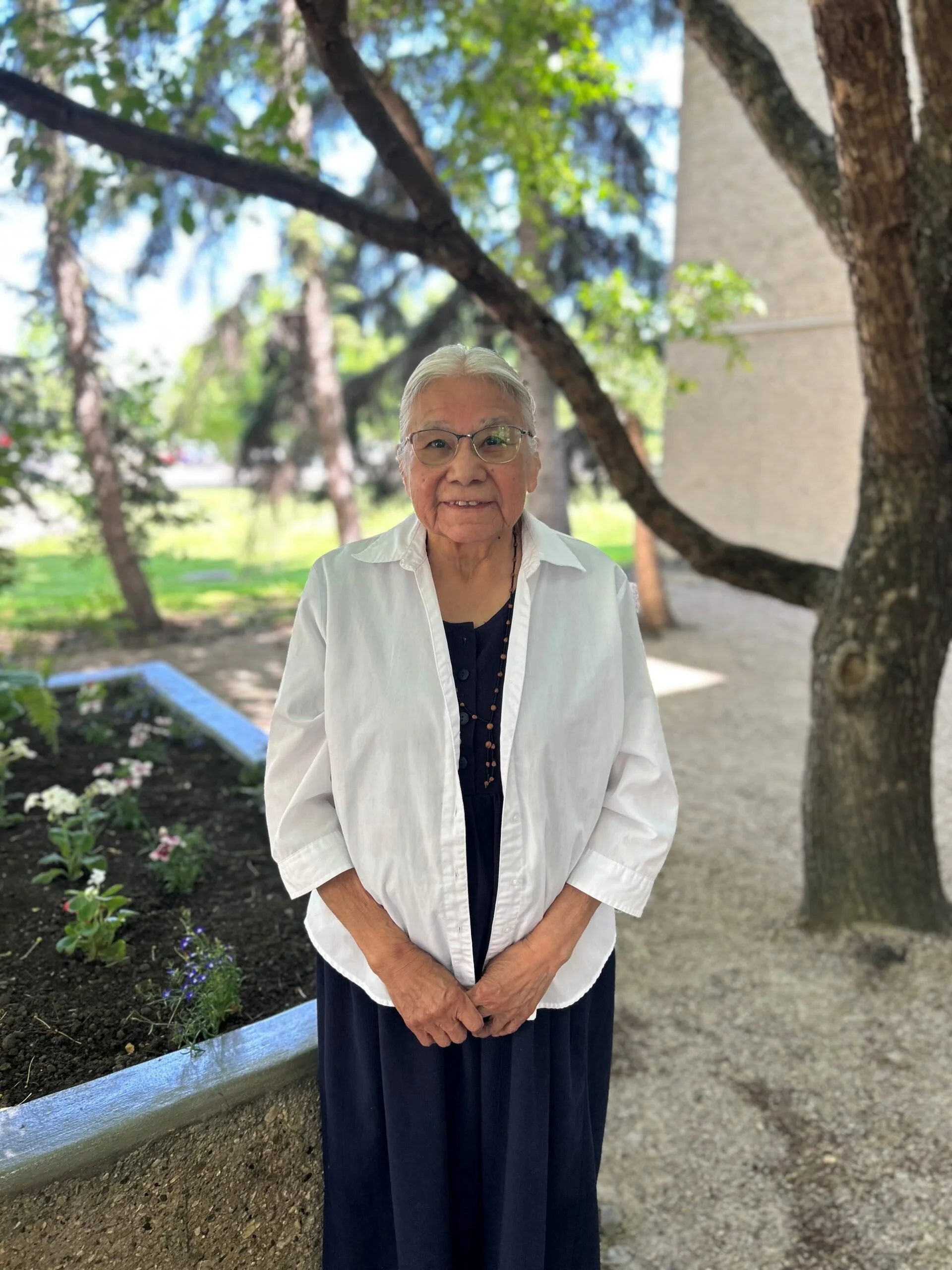
Dr. Elder Lorna Standingready
Opening Smudge, Conference Opening, Prayer & BlessingParticipants are invited to begin the conference in a good way by joining an optional smudge led by Dr. Elder Lorna Standingready, Elder in residence at Luther College at the University of Regina.
Smudging is a sacred practice that uses the smoke of traditional medicines to support reflection, grounding, and positive intentions. Those who wish to participate may use the smoke to cleanse their mind, heart, body, and spirit as we gather together. See schedule for more details.Following the smudge, Dr. Elder Lorna Standingready will formally open the conference with a prayer and blessing, helping to set a respectful and meaningful tone for our time together. All participants are welcome to attend this opening moment of reflection and connection.
-
![]()
Vu Le
Moderated Q & A Session Saturday, May 2, 2026
Following the keynote, join Vu Le for an extended moderated conversation exploring some of the deeper challenges facing the nonprofit sector. Together we will reflect on urgency culture, burnout, and the systems shaping nonprofit work, while considering how joy, care, and collective action can help build more sustainable organizations. Audience questions and reflections will be welcomed. -
![]()
Dr. Iryna Khovrenkov
Beyond Service Provision: Nonprofits' Economic Footprint in Saskatchewan's Major CitiesThis session presents findings from a new research project on the economic impact of the nonprofit and voluntary sector in Regina and Saskatoon. Learn how nonprofits contribute to local employment, economic stability, and community well-being, and why recognizing this impact is critical for policy, funding, and regional development decisions.
-
![]()
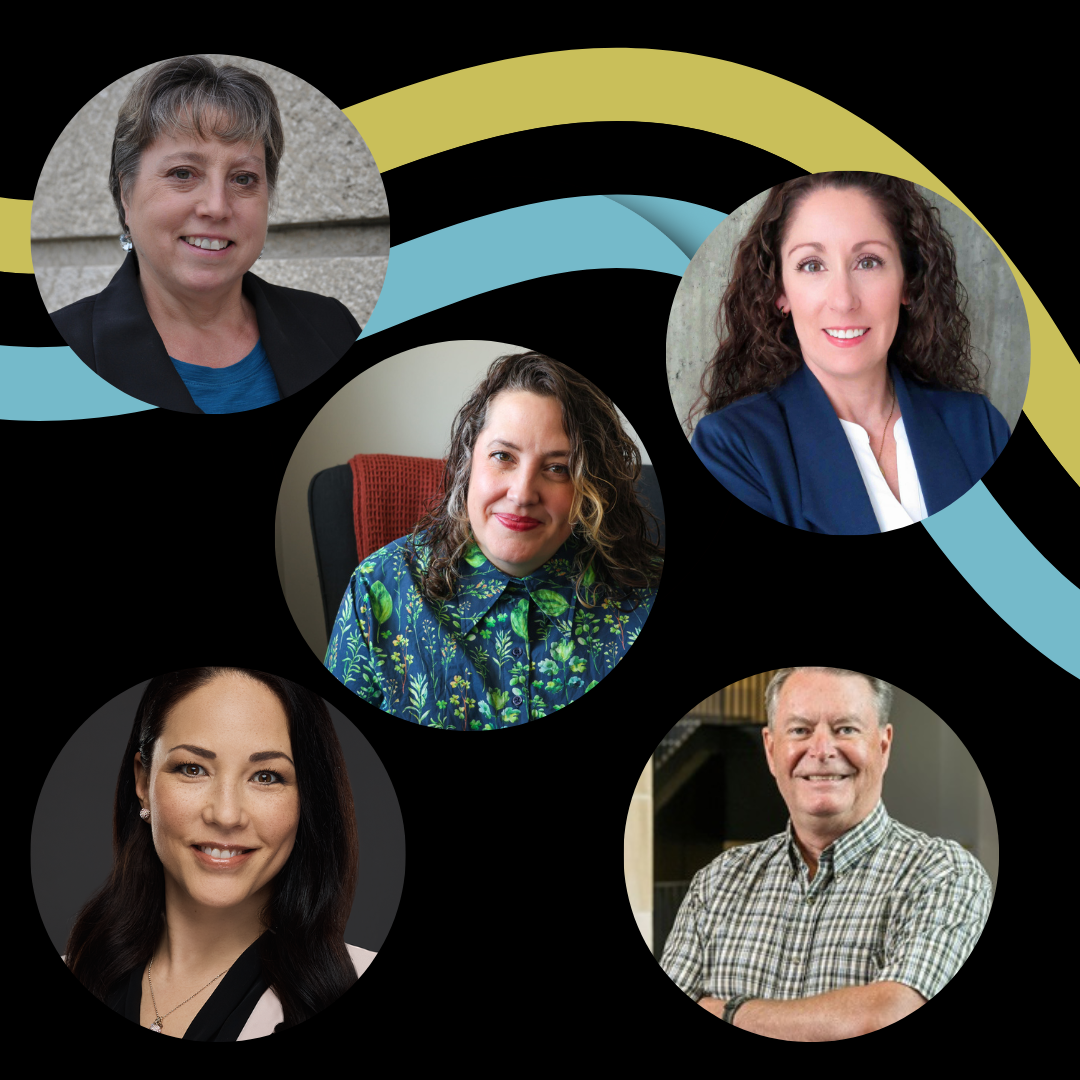
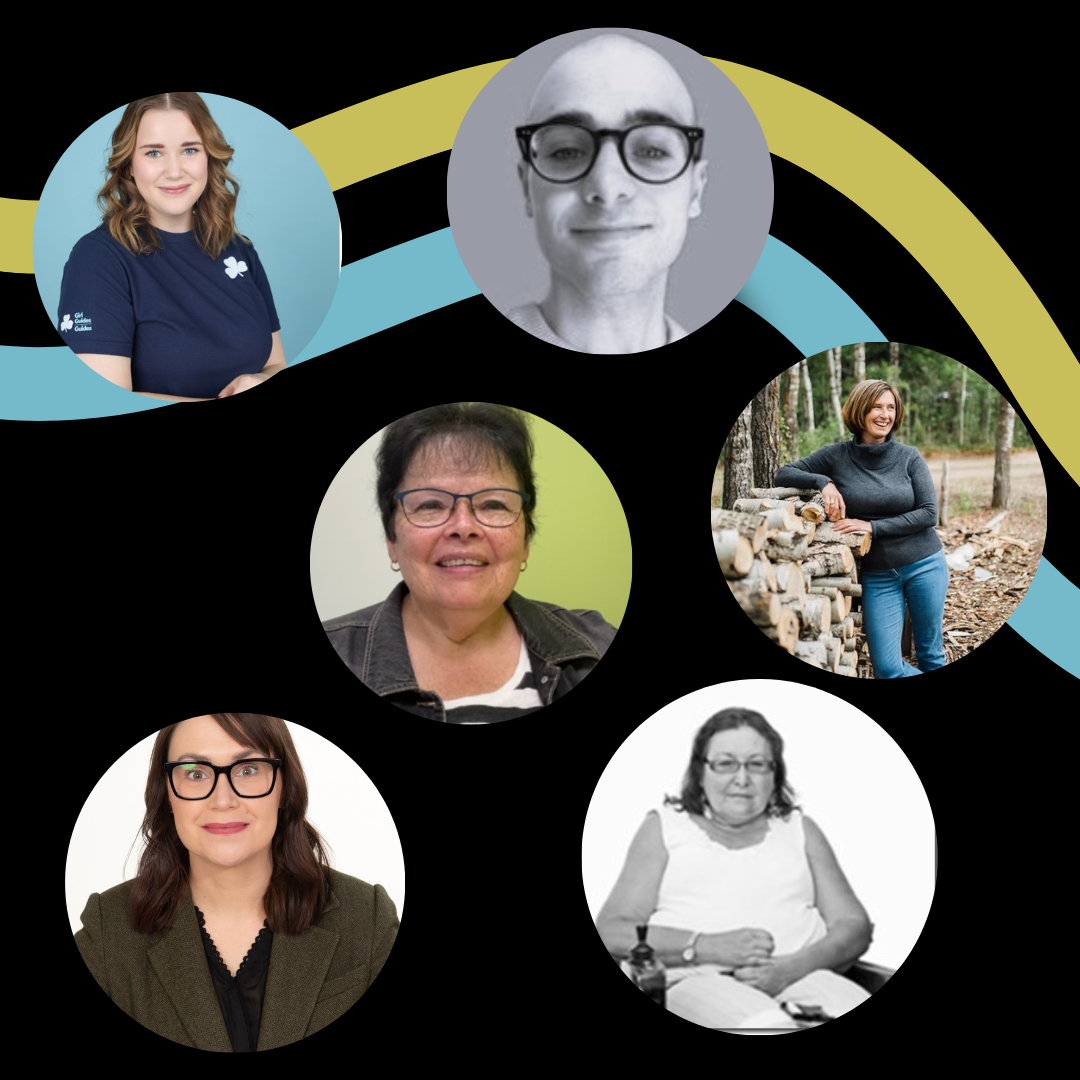
Moderator: Dr. Lynn Gidluck Panelists: Dr. Crystal Giesbrecht, Deanna Ogle, Cindy Kobayashi, and Keith Comstock
Leverage Points: Engaging Government for Systems Change A Panel Discussion on Government Relations for the Nonprofit Sector
Participants will gain practical insights into how nonprofits navigate the complex landscape of collaboration, advocacy, and systems change. Drawing on insider perspectives from government and experienced sector leaders, this session explores how policy windows open, how credibility is built, and when partnership must be paired with strategic pressure.Participants will leave with concrete strategies for engaging government while advancing structural change in their communities.
-
![]()
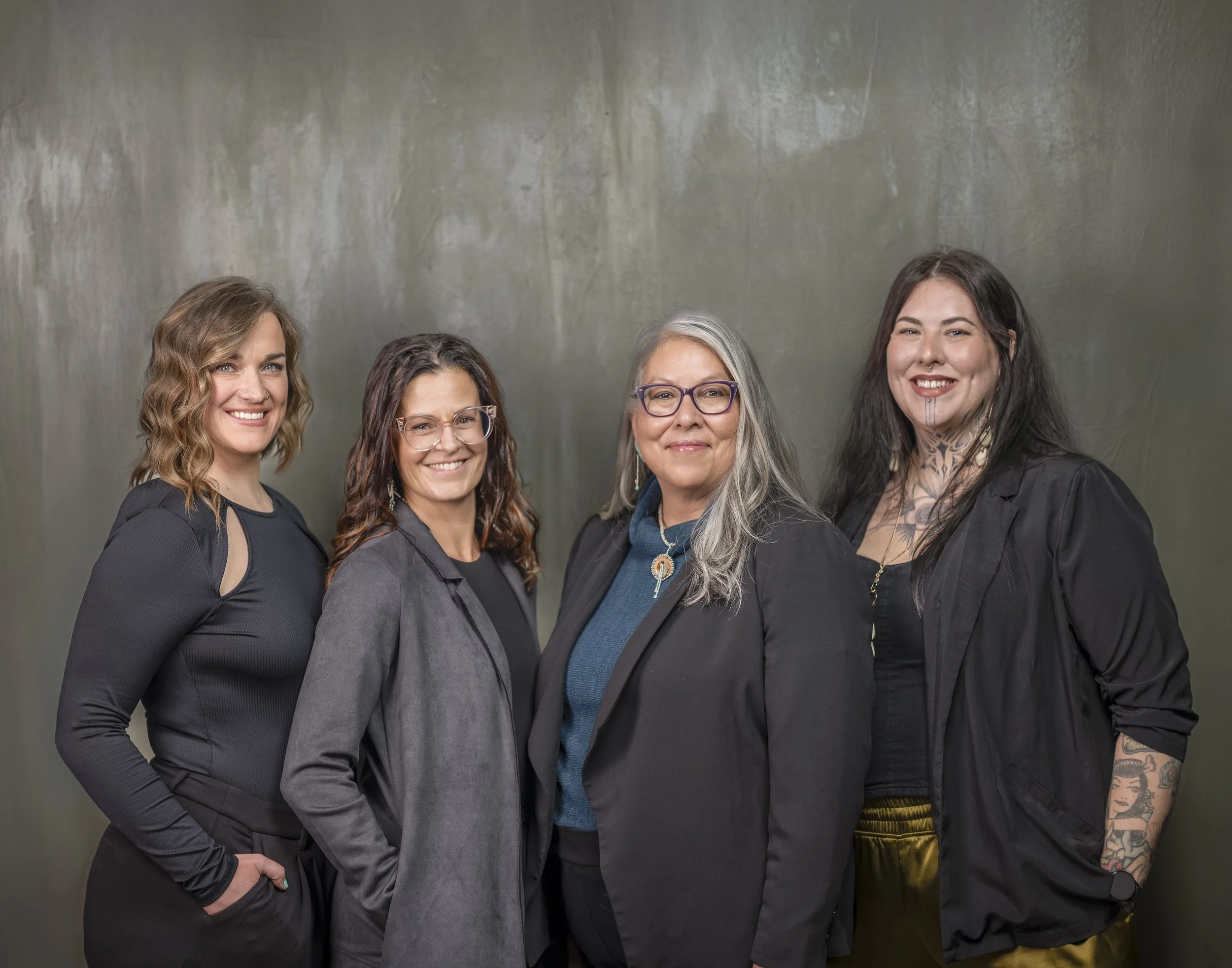
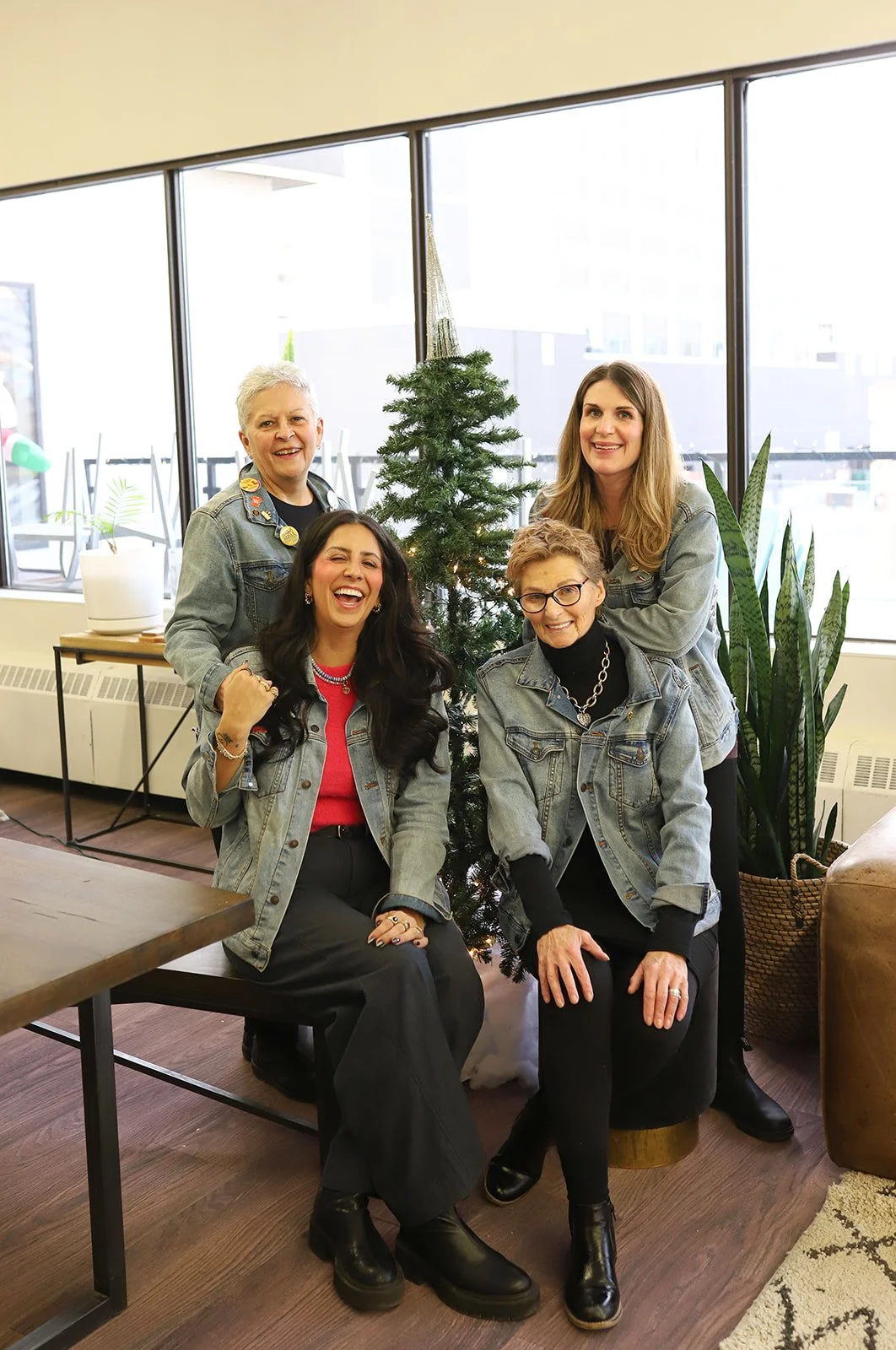
The Matriarchs Collective
From Isolation to Interdependence: How Mutual Aid Strengthens Communities
The Matriarchs Collective demonstrates that mutual aid is more than just sharing resources, it is about building networks, strengthening community relationships, and coordinating action across people and organizations. By working collaboratively, mutual aid initiatives help nonprofits and communities tackle systemic challenges like food insecurity while reinforcing dignity, trust, and shared leadership.In this session, participants will explore how nonprofits, social purpose organizations, and grassroots groups can learn from mutual aid approaches, co-create solutions, and form partnerships that move beyond silos toward integrated, systems-focused impact.
To embed mutual aid in action, participants will contribute to the creation of community care kits during the session. Together, we will assemble these kits for distribution in our communities, modelling the principles of shared responsibility, collective care, and coordinated action that are at the heart of mutual aid.
-
![]()
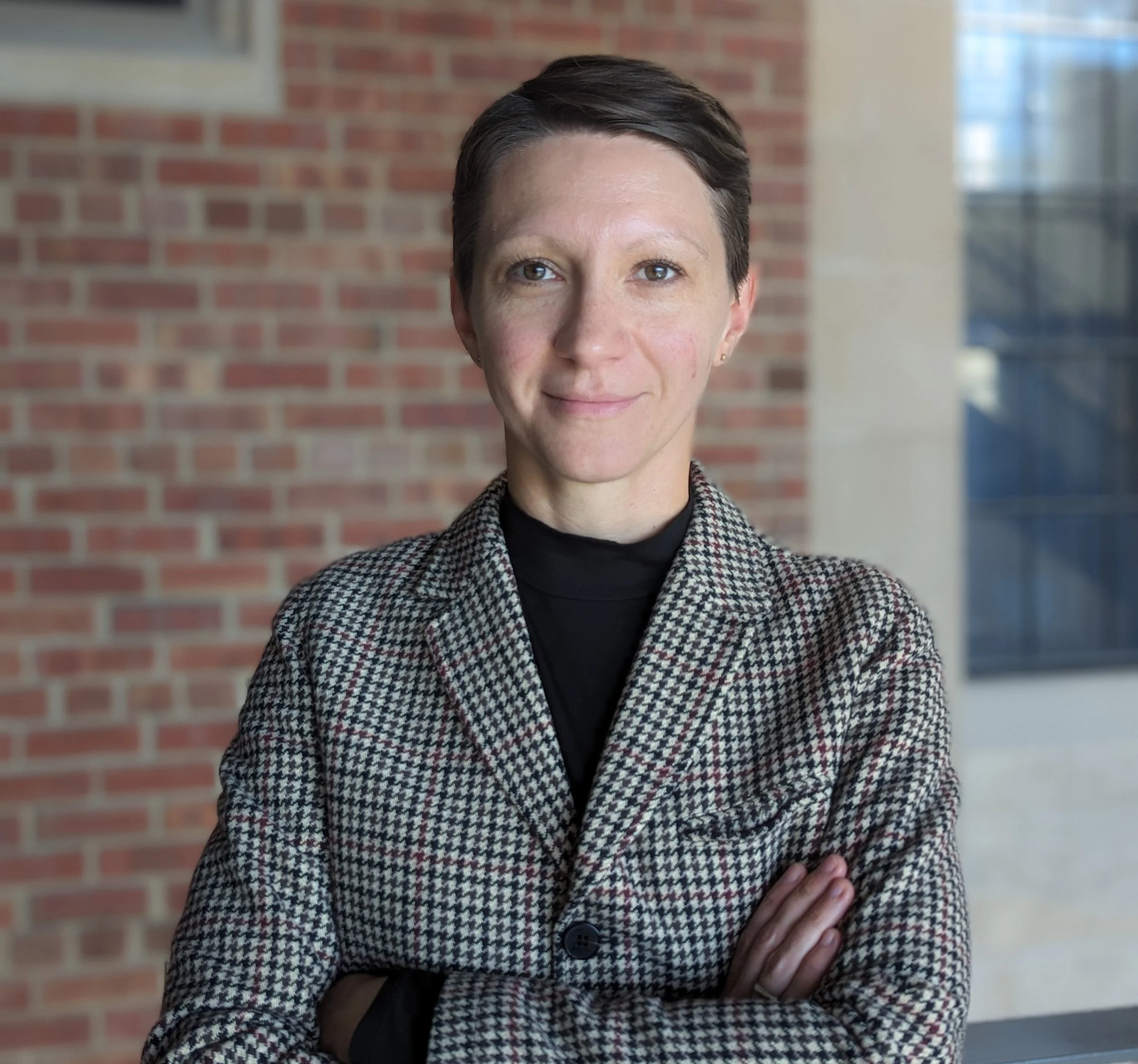
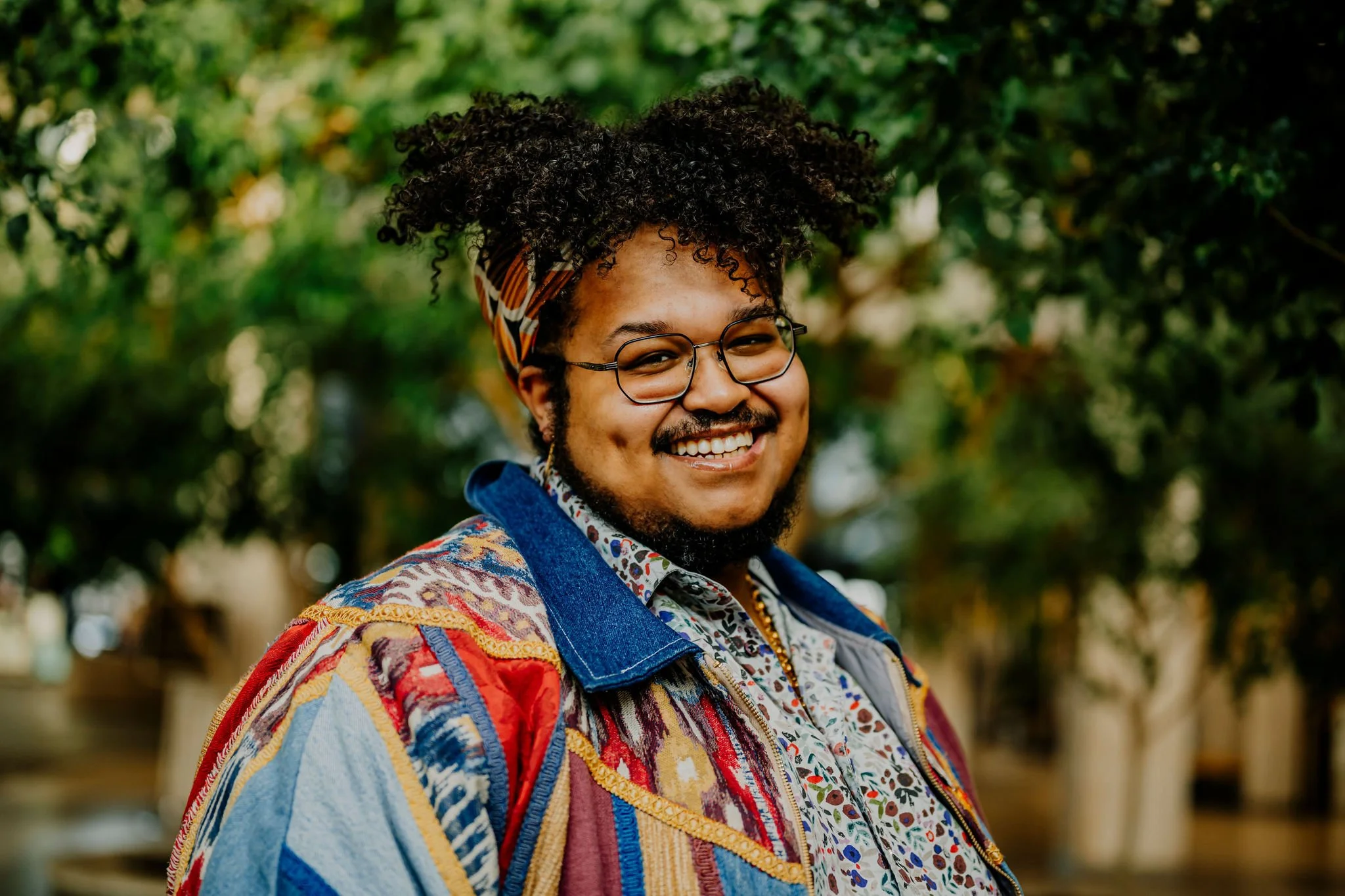
Miguel Fenrich
Revolutionary Storytelling: Narrative Acts of Resistance for Non-ProfitsThe art of storytelling is a political act.
But, in our busy, sanitized non-profit world, it’s easy to forget that; one more quick-and-dirty press release. Three more donor recognition letters before 5 p.m. That grant application deadline that’s rapidly approaching. And on, and on, and on.
In this hands-on workshop, award-winning journalist, writer, and professional storyteller Miguel A. Fenrich is going to explore the fundamentals of Revolutionary Storytelling and help you discover opportunities for narrative-based acts of resistance within your organizations.
Revolutionary Storytelling is the key to protecting your community and finding a better future together—whether that’s while responding to comments on social media, while writing grant applications and press releases, or even hosting a workshop or engaging with sponsors.
Anyone who’s working at a non-profit, no matter their role, will benefit from this workshop!
-
![]()
Moderator: Emily Lints Panelists: Terri Sleeve, Dr. Emily Grafton, Bev Cardinal (née Peltier), Nick Antonini & Brenda Edel
And Then What? Community-Engaged Research in Practice
This panel session creates a space for researchers and community organizations who have successfully completed community-engaged research projects to share their collaborative work, reflect on outcomes, and discuss what actionable steps are being taken after the research concludes. Too often, research stops at publication. This session focuses on what comes next. By bringing together university researchers and community partners, this panel highlights knowledge mobilization, celebrates ongoing partnerships, and identifies emerging and ongoing community needs. -
![]()
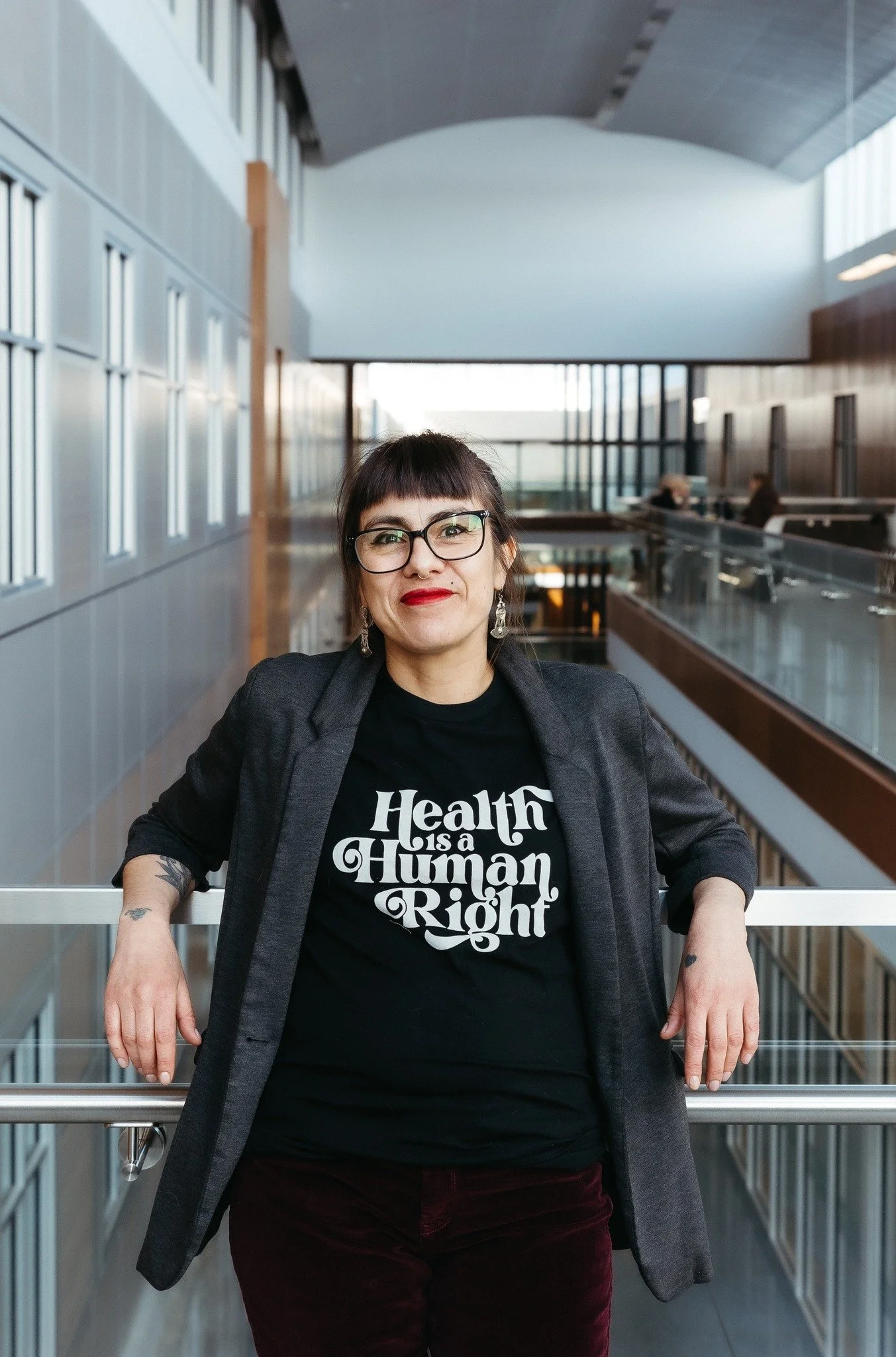
Dr. Manuela Valle-Castro
Third and Public Sector Collaboration in Action: Evaluating two social enterprises’ partnership with the City of SaskatoonCan nonprofits and municipal governments collaborate to improve the delivery of community services? In this presentation, we share early insights from an ongoing evaluation project that assesses how social enterprises can help provide meaningful employment to their participants and also help municipalities improve their service standards while building organizational capacity to further work with social enterprises. The Canadian Centre for the Study of Co-operatives partnered with the City of Saskatoon and Quint Development for the evaluation of two social enterprise models aimed at improving community safety while offering employment opportunities and wrap-around supports to people exiting incarceration: Build Up Saskatoon (BUS) and Saskatoon Wellbeing Employment Enterprise Program (SWEEP). In addition, we will reflect on the barriers and enablers for this collaboration.
-
![]()
Cara Bradley, Dale Storie & Michael Shires
From Scholarship to Service: Accessing Research Through the Community Scholars Program
The Community Scholars Program (CSP), hosted by the Dr. John Archer Library at the University of Regina, connects community organizations with world-class academic research and expertise. Through CSP, staff from nonprofit, charitable, and social purpose organizations receive free online access to academic journals, research databases, and scholarly resources that are normally restricted to university communities. The program also includes tailored research support and consultations with librarians, helping community practitioners find, interpret, and apply evidence to strengthen their programs, services, and impact.In this session, participants will learn how the Community Scholars Program expands access to research that supports social innovation, policy development, and community problem solving. We will explore how nonprofits and grassroots groups can leverage scholarly knowledge to inform strategy, strengthen service delivery, and foster collaborative learning across sectors. Practical examples, tools for searching and using academic literature, and pathways for ongoing engagement with CSP will be shared to help attendees integrate research into their organizational practices.
-
![]()
Skylar Gerard & Talitha McCloskey from RaiseHer Co.
From Collaboration to Coordination: Lessons from Trust-Based PartnershipsMany nonprofits say they value collaboration, yet funding structures, mandates, and sustainability pressures can make coordination difficult. As a result, organizations often work in parallel, even when they share similar goals.
In this session, RaiseHER Co. shares lessons learned through trust-based, justice-centred partnerships. Drawing on co-designed mentorship and leadership initiatives with partners such as Big Brothers Big Sisters of Regina and Area, the U of R Champions of Change Club, the YWCA, and others, we explore how organizations can move beyond transactional collaboration toward shared mandates, shared power, and more intentional coordination.
Participants will hear about the partnership approaches that have shaped this work and the lessons that have emerged along the way. The session will invite participants to reflect on how organizations can build trust-based partnerships, clarify complementary roles, and explore new ways of working together to better serve their communities.
-
![]()
Saskatchewan Nonprofit Partnership
Strengthening the Sector: Survey Insights for Saskatchewan Nonprofits
The Saskatchewan Nonprofit Partnership will present key insights from its recent province-wide survey, providing a rare look at the challenges, capacities, and priorities shaping nonprofit work in Saskatchewan. This session will explore what the data reveals about workforce sustainability, funding pressures, and organizational resilience, and consider what these findings mean for the future of the province’s nonprofit sector. -
![]()
Risa Payant + Jacq Brasseur, Ivy + Dean Consulting
Human Resources Practices for Human-Centric LeadersJoin Jacq Brasseur and Risa Payant from Ivy & Dean Consulting for a conversation about the progressive human resources practices they’ve discovered in their 40 combined years of senior leadership in the non-profit sector. Dream about interrupting the inequitable practices that dominate so many non-profit workplaces, hear examples of equitable human resource approaches, and consider how practices within your organizations can be revolutionized to contribute to healthy and supportive work environments.
-
![]()
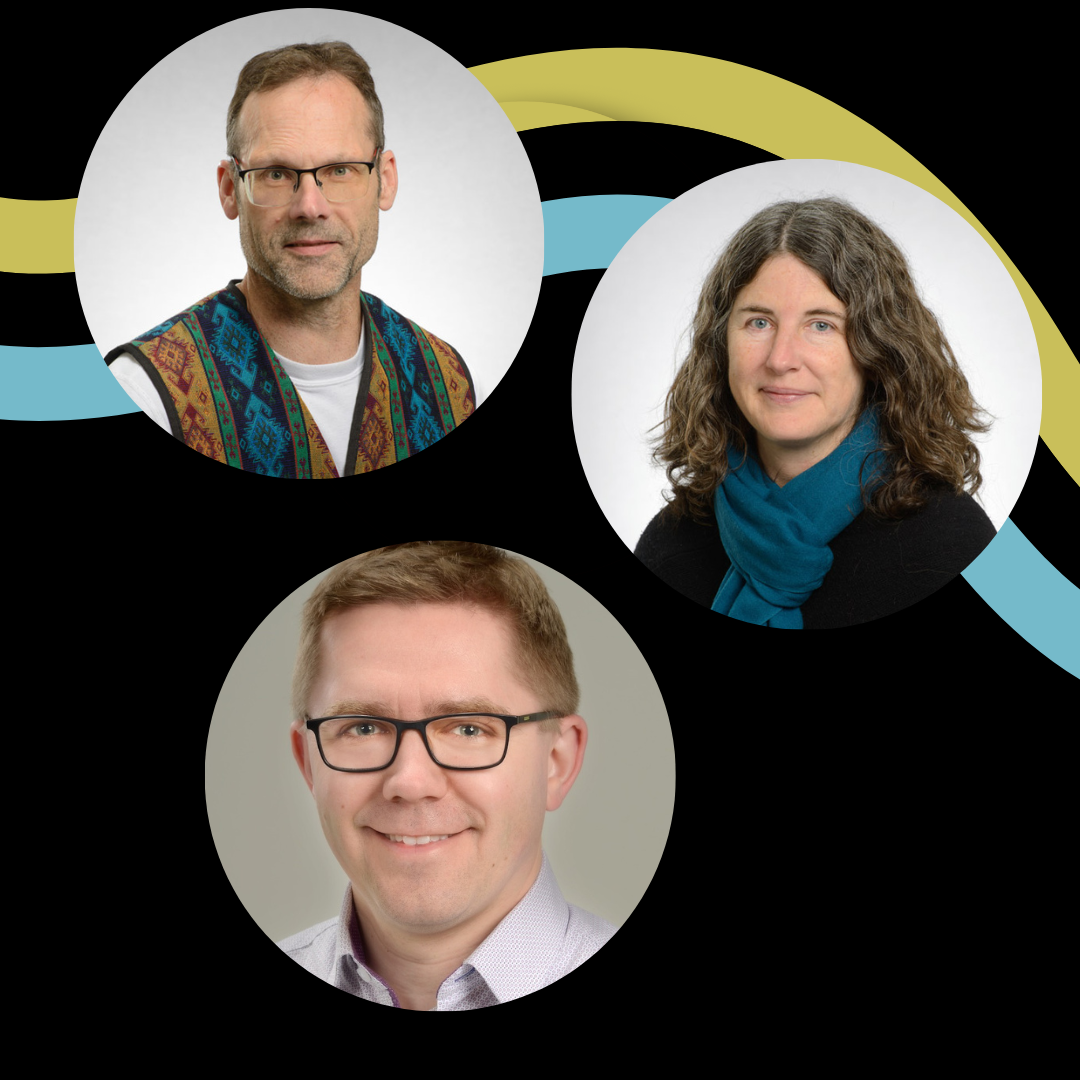
Moderator: Victoria Flores with Panelists: Melissa Coomber-Bendtsen, Denis Simard, and Ziyang Li
Reflections on Governance: Lessons from the Boardroom Panel Discussion on Governance for the Nonprofit Sector
This panel brings together experienced board members and Executive Directors to reflect on the realities of nonprofit governance. Panelists will share candid insights on what effective governance looks like in practice, how board–staff relationships evolve, and the challenges and opportunities shaping governance today. Attendees will gain practical wisdom, lessons, and strategies to strengthen governance in their own organizations. -
![]()
Ryan Tessier and Data for Good, Saskatchewan
Foundations and Supports for Nonprofit Data Use
In this session, participants will be introduced to key data concepts for nonprofit organizations, with a focus on building confidence and practical skills. We will explore how to collect meaningful data, manage it responsibly, and interpret it in ways that support decision-making, program improvement, and impact measurement. Whether you are new to working with data or looking to strengthen your current practices, this session will provide a helpful foundation.The session will also highlight the Data Accelerator, a program designed to support nonprofits in strengthening their data capacity. Participants will learn how the Accelerator provides tailored guidance, tools, and resources to help organizations make better use of their data, overcome common challenges, and build more sustainable data practices over time